
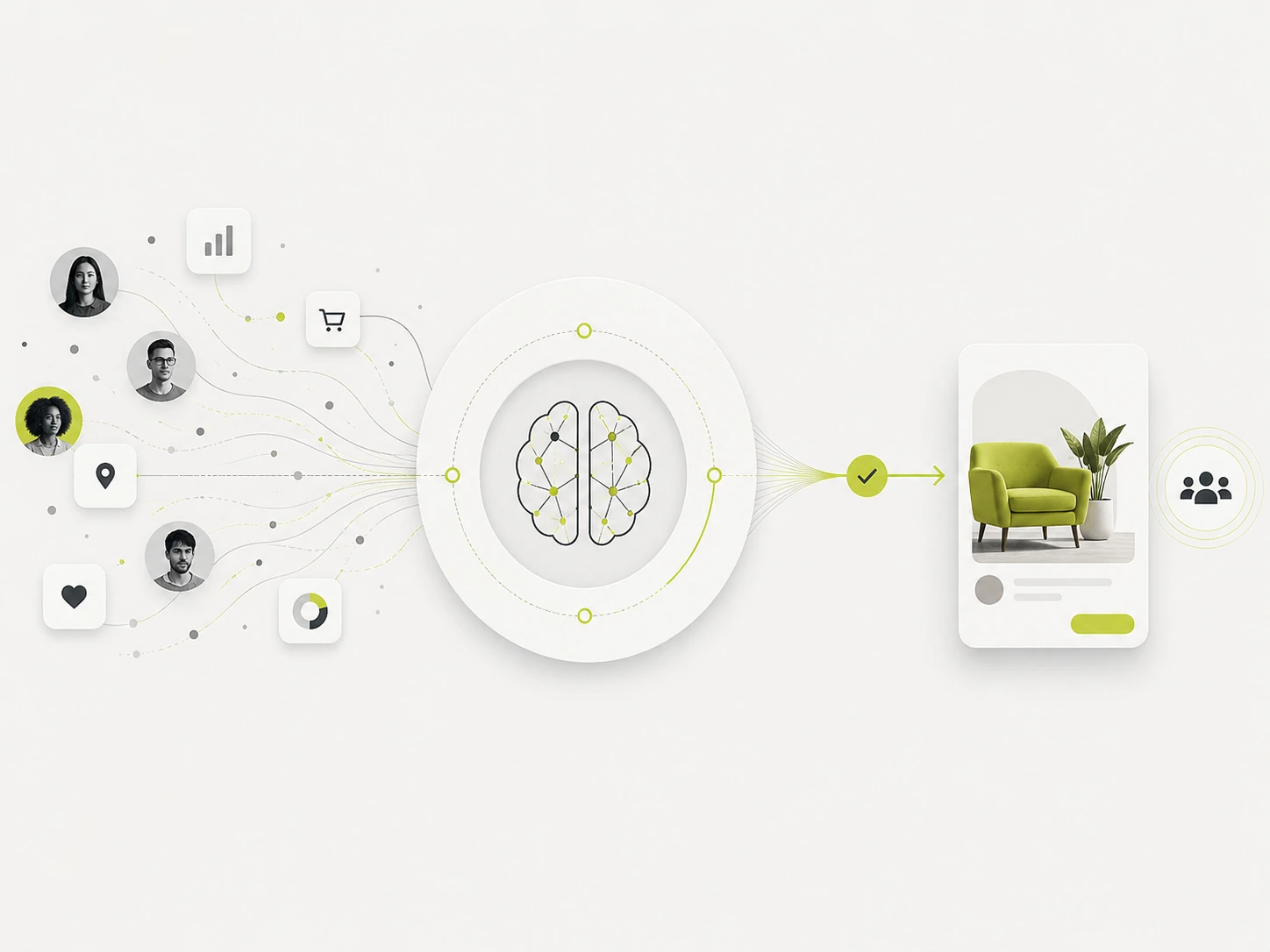
Advertising used to be built around a simple idea: choose an audience, write a message, launch a campaign and wait for results. That model still exists, but it is no longer enough.
Today every campaign generates thousands of signals: who stopped scrolling, who clicked, who watched, who returned later, who filled in a form, who disappeared, which creative attracted attention but failed to convert, and which audience looked promising but wasted budget.
The problem is not the lack of data. The problem is that most businesses do not turn this data into decisions fast enough.
AI-driven advertising is not simply “using artificial intelligence to create ads.” It is a more intelligent way to plan, launch, analyze and improve campaigns using data, automation, pattern recognition and faster feedback loops.
At Tenlive, we see AI-driven advertising as a performance system. It connects audience research, creative testing, campaign structure, analytics and decision-making into one process. The goal is simple: spend less on guesswork and more on what actually moves the business.
AI-driven advertising is not magic. It is better decision-making.
Many brands hear “AI advertising” and imagine a fully automated machine that writes ads, launches campaigns and produces perfect leads without human involvement. That is not how strong marketing works.
AI does not replace strategy. It strengthens it. A good AI-driven advertising system still needs human judgment: positioning, offer design, creative direction, market understanding and business context.
The difference is speed and precision. A traditional campaign might run for weeks before anyone notices that one audience segment is wasting budget. An AI-assisted process can identify weak signals earlier and compare performance across creatives, audiences, placements, landing pages and lead quality.
This allows the team to ask better questions: why is this creative getting clicks but not leads? Which audience is expensive but high-quality? Which message attracts attention from the wrong people? Where does the funnel lose potential clients? What should be scaled, paused, rewritten or tested next?
The old advertising model is too slow for modern campaigns
In many businesses, advertising still works like this: a campaign is launched, a few creatives are tested, the team checks the dashboard, and if the numbers look bad, the budget is reduced. If the numbers look good, the budget is increased.
This sounds logical, but it is often too shallow. A campaign can look “good” on the surface and still be wrong for the business.
For example, a campaign may generate cheap leads, but those leads may not have real purchasing intent. Another campaign may have a higher cost per lead but produce better conversations, better clients and higher revenue potential.
This is why AI-driven advertising should never optimize only for the cheapest click or the cheapest lead. The real question is not “How do we get more leads?” The real question is “How do we get better demand at a sustainable cost?”
Clicks are not clients. Views are not trust. Leads are not revenue. Traffic is not growth. AI-driven advertising helps connect campaign data with business reality.
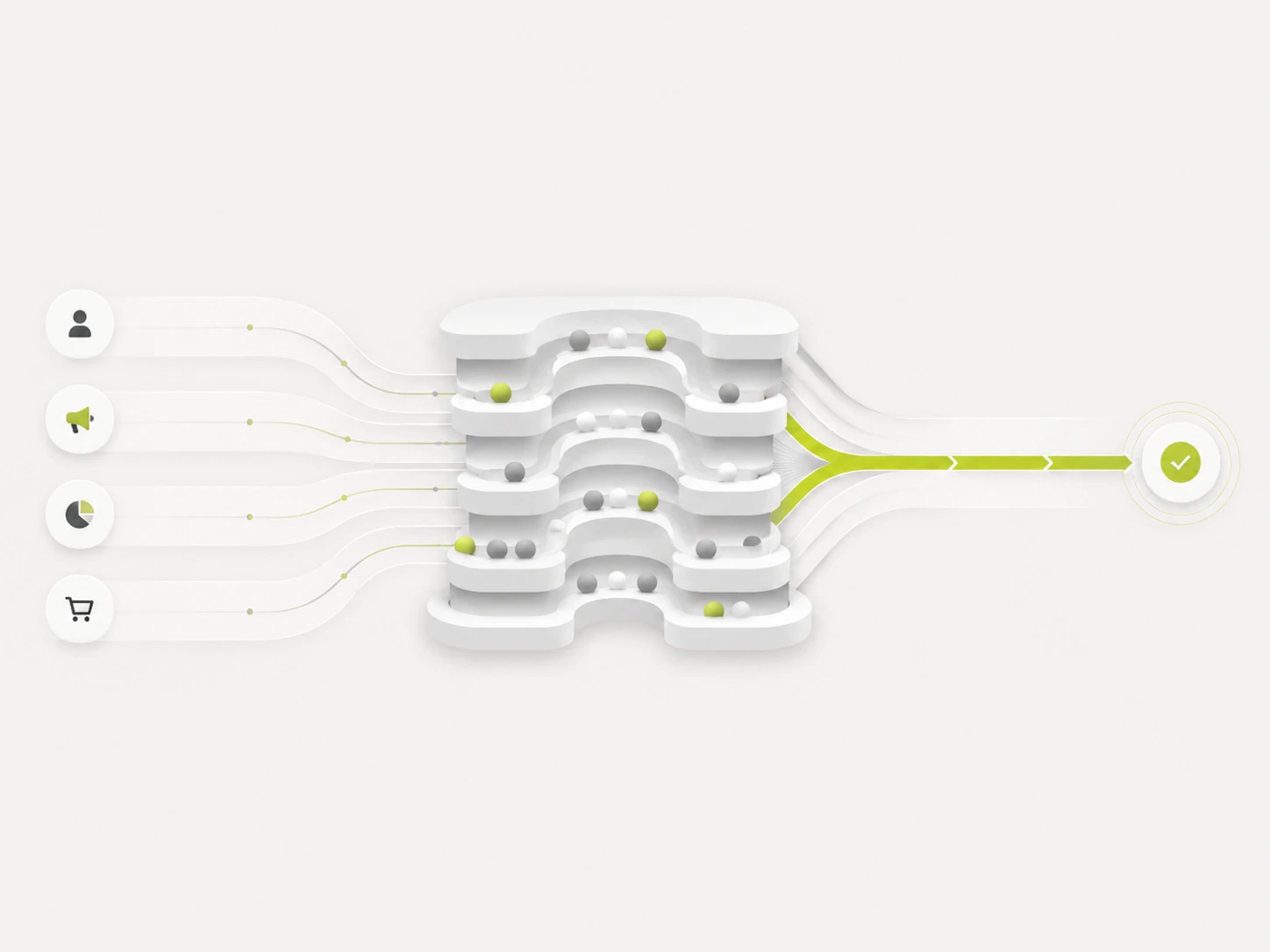
What AI can improve in advertising campaigns
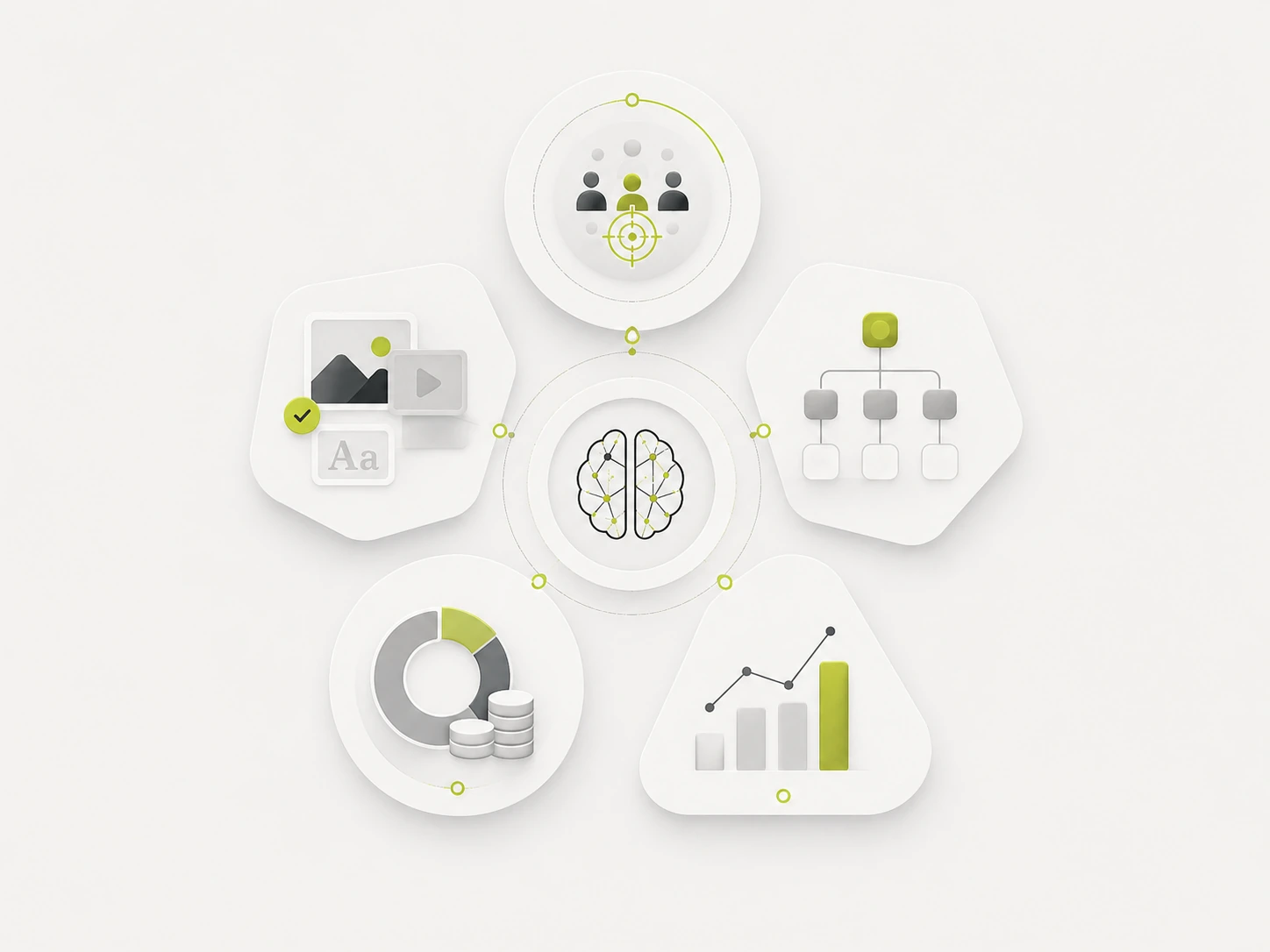
AI can support many parts of the advertising process, but the strongest results usually come from five areas: audience research, creative testing, campaign structure, budget optimization and recommendations.
Before launching campaigns, AI can help analyze markets, competitors, customer language, objections, search intent, social signals and audience segments. In real estate, for example, different buyers may respond to investment potential, lifestyle, safety, location, status, rental yield or relocation convenience. A generic campaign treats these people as one audience. A smarter campaign separates the motivations.
Creative is another major performance lever. AI can help compare hooks, formats, visual hierarchy, emotional angles, offer clarity, calls to action and platform context. The best use of AI is not to produce more average ads. It is to understand which creative direction deserves more investment.
AI can also reveal structural problems: too many audiences, too many objectives, weak separation between cold traffic and retargeting, or no logic between ad message and landing page. A campaign should not be a pile of ads. It should be a system.
AI-driven advertising works best when connected to the full funnel
A common mistake is treating advertising as an isolated service. But ads do not work alone.
An ad depends on the offer. The offer depends on positioning. The click depends on the creative. The lead depends on the landing page. The sale depends on follow-up. The data depends on tracking. The next decision depends on analysis.
If one part is weak, the whole system suffers. This is why Tenlive approaches AI-driven advertising as part of a broader growth system.
We look at the campaign, but also at the context around it: is the offer clear? Is the landing page persuasive? Is the visual message strong enough? Is the audience too broad? Is the market premium or mass-market? Are leads being handled quickly? Is the CRM giving feedback? Are we optimizing for the right outcome?
What it means for real estate, hospitality and premium brands
AI-driven advertising is especially valuable in industries where audience quality matters more than volume.
For real estate, a cheap lead is not always a good lead. The difference between a curious browser and a serious buyer can be enormous. For hospitality, events and lifestyle brands, the emotional context matters: people are not buying only a service; they are buying timing, experience, trust, atmosphere and expectation.
For premium brands, mass-market logic can damage perception. A campaign that chases too much volume can attract the wrong audience and weaken the brand.
The same campaign logic will not work equally for a local restaurant, a luxury real estate project, a hotel, a relocation service, a premium event, a B2B consulting offer or an international brand entering Dubai. AI can help analyze the signals, but strategy decides what those signals mean.

What makes a strong AI-driven advertising process
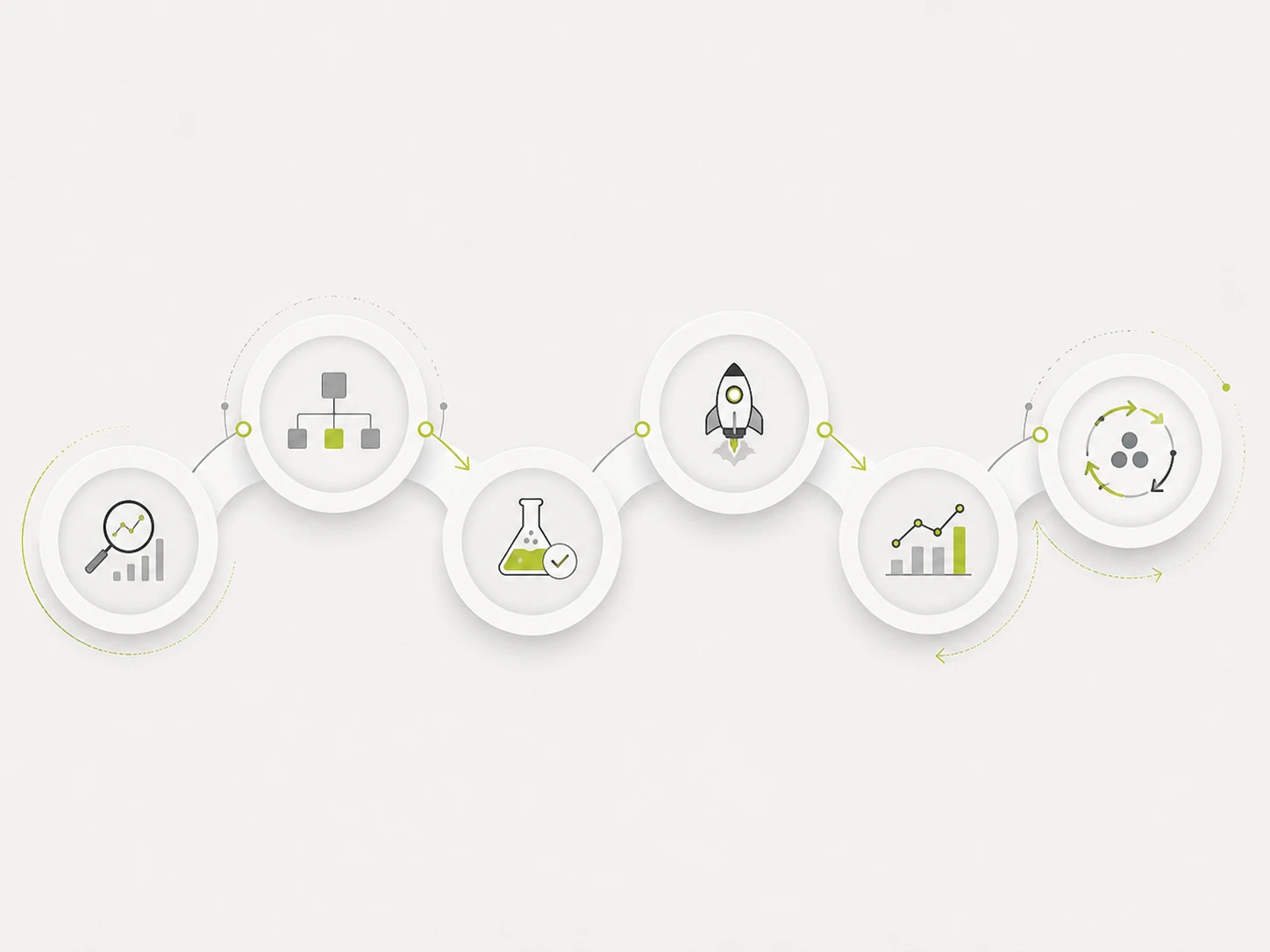
A strong process usually has six stages: market and audience analysis, offer and message structure, creative system, campaign launch, AI-assisted analysis and decision cycle.
First, the team understands the market, competition, audience motivations, objections and decision triggers. Then it defines what the campaign is actually selling — not only the service, but the reason to act now.
Next, the creative system is built around different angles, not only different design versions. After launch, the campaign needs clean structure, clear objectives, tracking and separation between test variables.
Then analysis turns performance data into decisions: scale what works, stop what wastes budget, rebuild what has potential but weak execution, and test the next strongest hypothesis. Growth comes from disciplined improvement, not from one campaign launch.
The real advantage: less guesswork
The strongest benefit of AI-driven advertising is not automation. It is clarity.
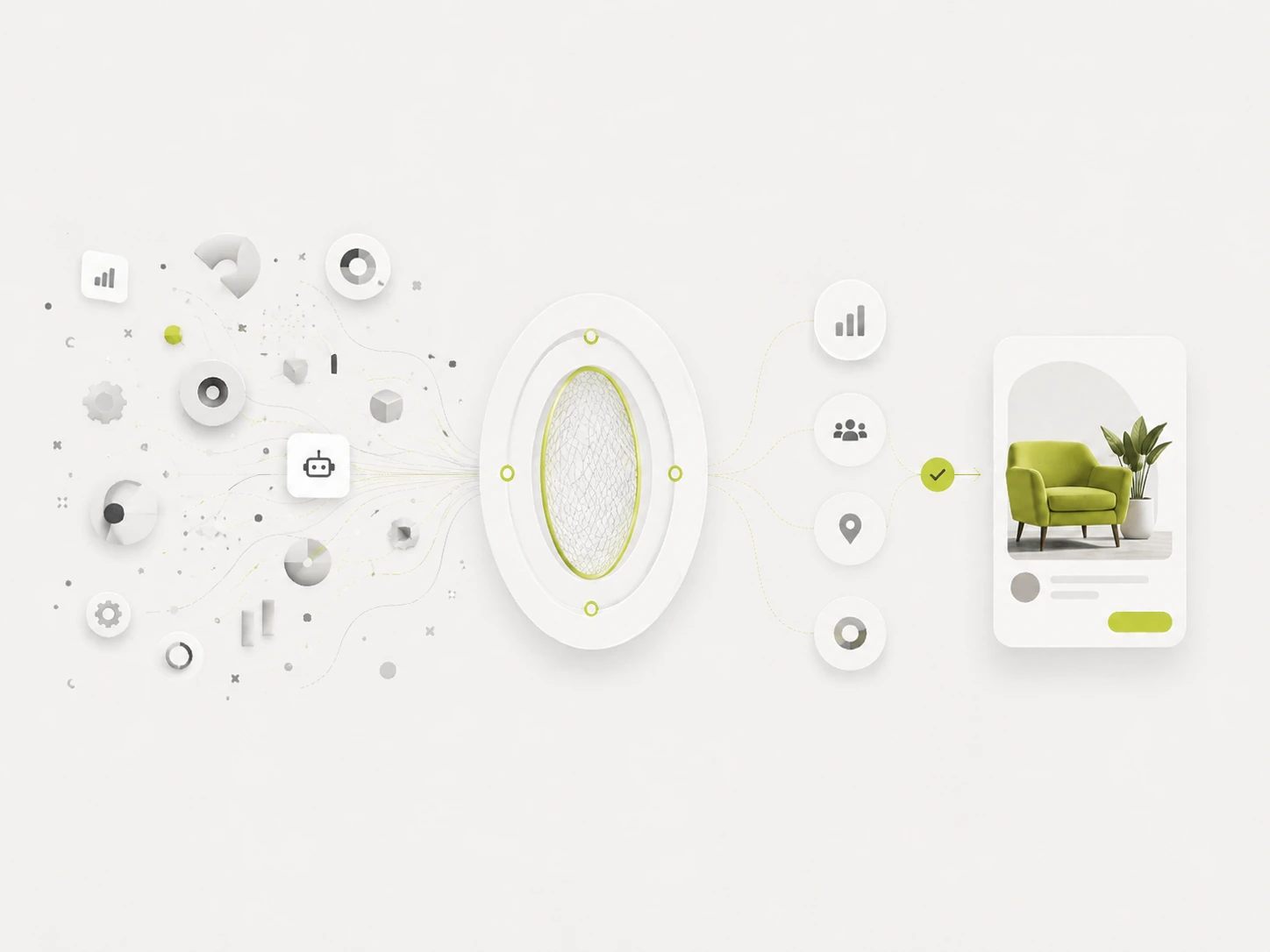
Businesses waste money when they make decisions too slowly or when they make decisions based on incomplete interpretation. AI helps reduce that waste by seeing patterns earlier, comparing more variables, challenging assumptions and turning campaign data into action.
For ambitious brands, this is the real advantage: not AI for the sake of AI, but AI for better marketing decisions.
How Tenlive uses AI-driven advertising
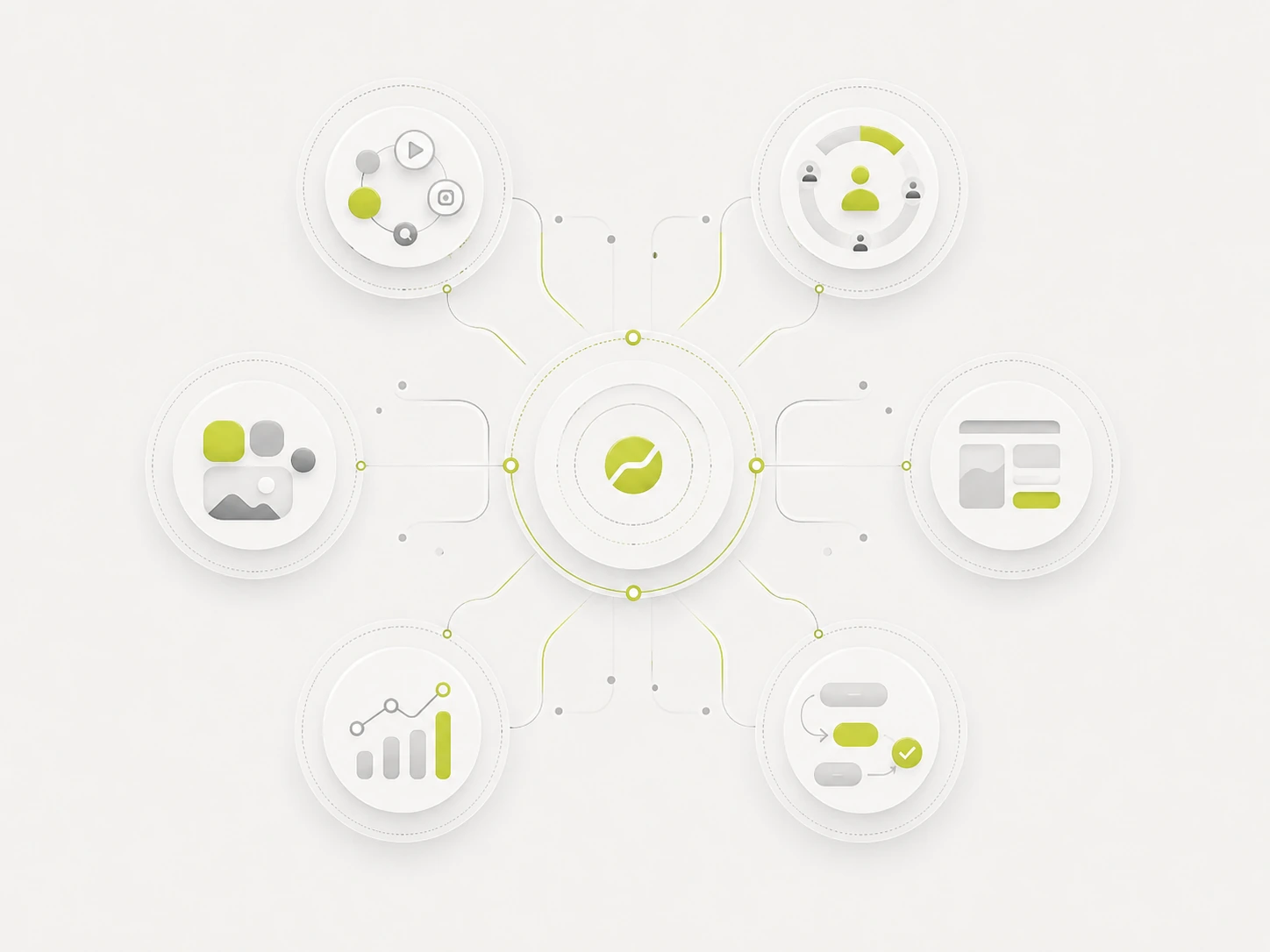
At Tenlive, AI-driven advertising is part of a larger marketing system. We combine AI tools, campaign data, creative analysis, landing page logic and human strategy to help businesses improve performance.
Our work usually includes Meta, Google and YouTube campaign strategy; audience and competitor analysis; creative direction and testing; landing page recommendations; AI-assisted performance analysis; budget optimization; and clear reporting with next-step recommendations.
We do not see advertising as a separate technical task. We see it as a growth system that must connect message, audience, creative, data and business goals.
FAQ
AI-driven advertising is the use of artificial intelligence, data analysis, automation and human strategy to plan, launch, analyze and improve advertising campaigns.
No. AI supports faster analysis and better decisions, but strategy, positioning, creative direction and business judgment still require human expertise.
AI-driven advertising can support campaigns on Meta, Google, YouTube, TikTok, LinkedIn and other platforms, depending on the market and business goals.
The main benefit is reducing wasted budget and improving decision-making. AI helps identify what is working, what is not working and what should be tested next.
Yes, but only when AI analysis is connected to campaign structure, creative strategy, landing pages and lead feedback. Lead quality depends on the full funnel, not just the ad platform.